
In Louisiana, hurricane season is not a possibility. It is a certainty. Every year from June through November, homeowners across Greater New Orleans, the Northshore, and the Gulf Coast watch the forecasts and hope their homes are ready. For a luxury custom home, storm readiness should never be left to hope. It should be designed, engineered, and built into the house from the ground up.
At Troyer Builders, storm readiness is part of how we define luxury. A beautiful home that cannot stand up to wind, rain, and flooding is not a luxury home in South Louisiana. Here are the details that go into preparing a Troyer home for the storms our region is known for.
It Starts With the Site and Elevation
Storm protection begins before a single wall goes up. Every lot has its own flood zone designation, drainage patterns, and soil conditions, and each one shapes how the home should be built. We study the site early so the home can be set at the right elevation, often above minimum requirements, to reduce flood risk and help protect long-term insurability.
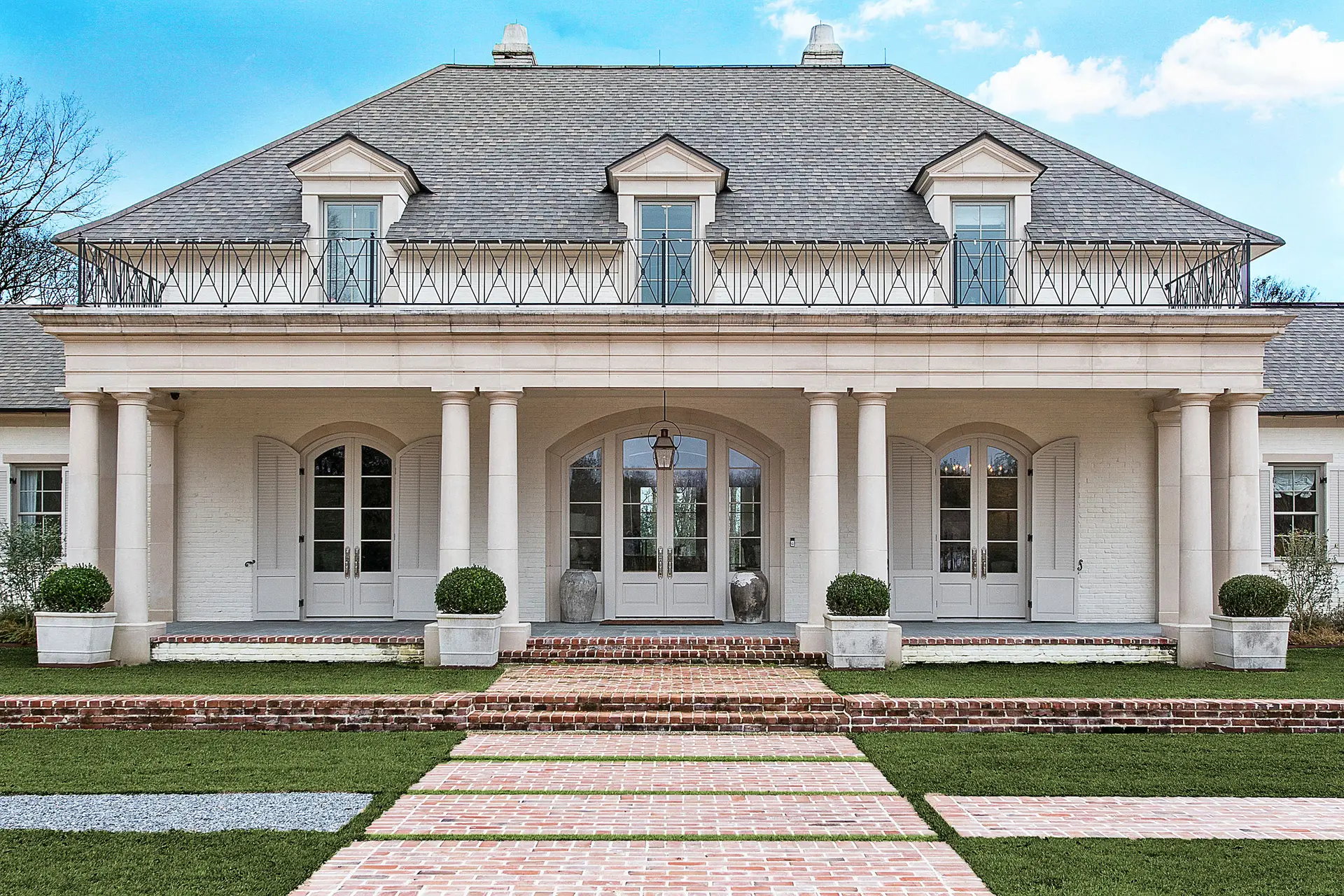
Grading and drainage are planned so water moves away from the foundation and off the property. Where a raised foundation is required, we design it to look intentional and elegant, with entries, steps, and landscaping that make the elevation part of the architecture rather than an afterthought.
A Continuous Load Path From Roof to Foundation
High winds do not just push on walls. They try to lift the roof and pull the house apart at its weakest connections. The most important storm feature in any home is one you will never see: a continuous load path that ties the roof to the walls and the walls to the foundation.
That means engineered connections, hurricane straps and ties, properly anchored framing, and structural sheathing designed for the wind loads in your area. We treat building code as the starting point, not the finish line, and design the structure to perform under pressure, not just pass inspection.
A Roof Designed for Hurricane Winds
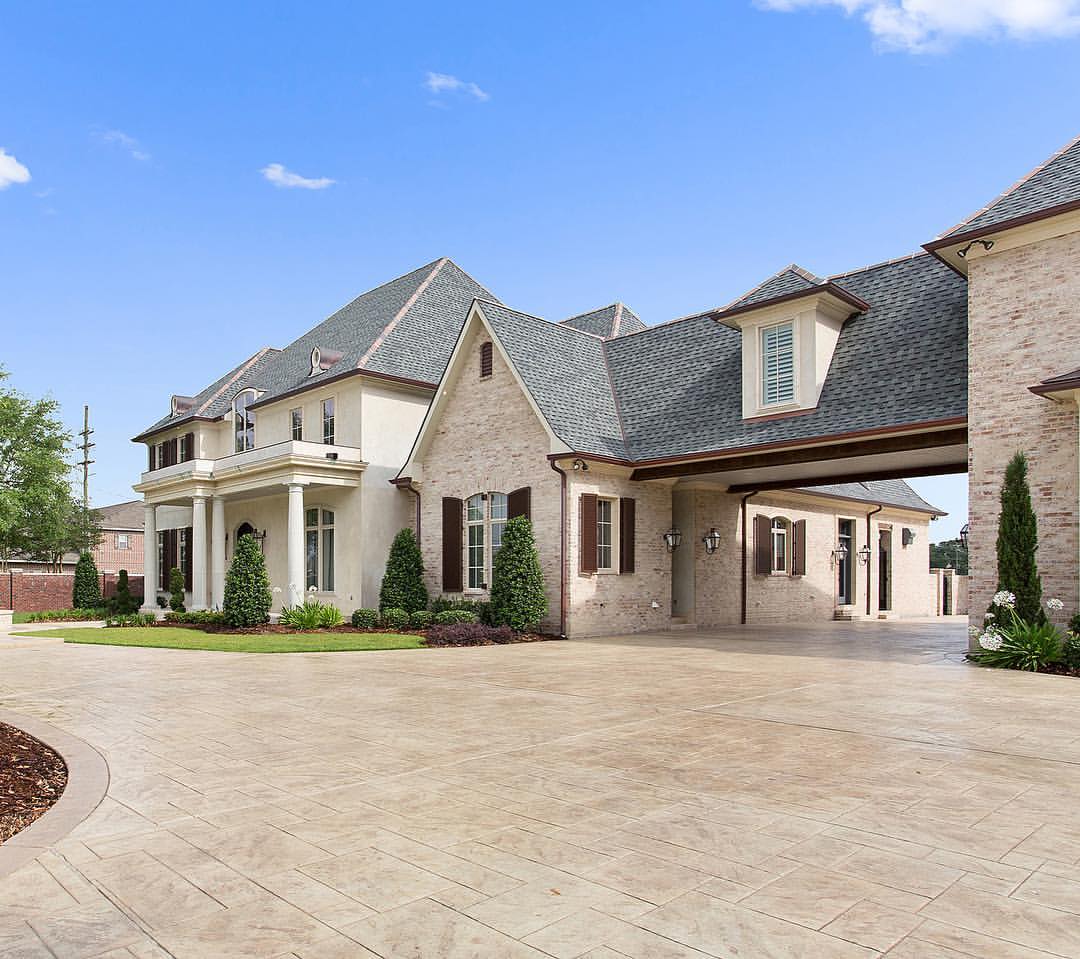
The roof is a home’s first line of defense and often the first thing to fail in a major storm. Roof shape, decking, fastening, underlayment, and roofing materials all affect how well a home holds up. Thoughtful roof design can reduce wind uplift, and a sealed roof deck helps keep water out of the home even if shingles or tiles are damaged.
We also pay close attention to the details that are easy to overlook, like edge flashing, ridge and soffit ventilation, and the way gutters and downspouts handle heavy rainfall. For homeowners interested in the Louisiana FORTIFIED Home program, we can discuss how roof construction choices may line up with those standards and potential insurance benefits.
Impact-Rated Windows and Doors
Luxury homes are known for large windows, tall glass doors, and open views. In a hurricane, those openings can become the most vulnerable part of the house. If wind and debris break through a window or door, pressure inside the home can rise quickly and lead to serious structural damage.
Impact-rated windows and doors allow homeowners to enjoy expansive glass without sacrificing protection. They are tested to resist windborne debris, and they reduce the need to board up or install shutters every time a storm approaches. We also make sure garage doors, which are often the largest opening in a home, are rated and reinforced for high winds.
Keeping Water Out of the Building Envelope
Wind-driven rain can find its way into the smallest gaps. That is why the building envelope matters so much. Properly installed weather barriers, carefully flashed windows and doors, sealed penetrations, and well-detailed exterior finishes help keep water from getting behind the walls.
Moisture that gets into a home does more than stain a ceiling. In our hot, humid climate, it can lead to mold, rot, and indoor air quality problems. Combined with the right insulation, ventilation, and HVAC design, a tight envelope helps the home stay dry and healthy long after the storm passes.
Power and Comfort When the Grid Goes Down
After a hurricane, the storm itself is often only part of the challenge. Power outages can last for days or even weeks. A permanently installed whole-home standby generator with an automatic transfer switch keeps air conditioning, refrigeration, lights, and security systems running, so your family can stay safe and comfortable at home.
We plan generator placement, sizing, fuel source, and elevation during design, so the system is protected from flooding and blends in with the property. Mechanical equipment like HVAC condensers can also be elevated and anchored to reduce the risk of damage.
Outdoor Living Built to Last
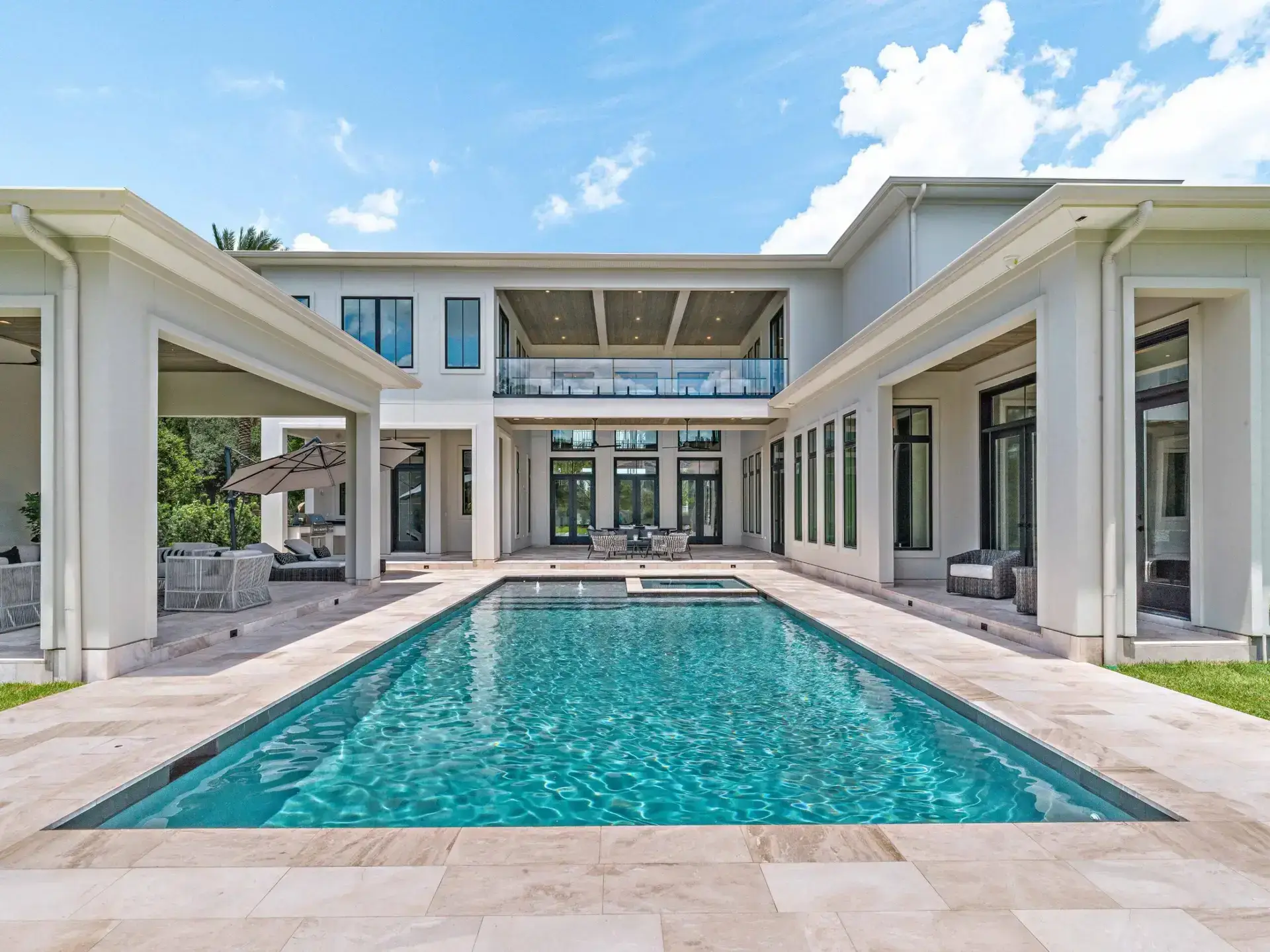
Outdoor kitchens, covered patios, pools, and pavilions are a big part of luxury living in Louisiana. They also face the full force of every storm. We design outdoor structures with the same attention to anchoring, materials, and drainage as the main house, so the spaces you love to entertain in are built to weather the season too.
Peace of Mind Is the Ultimate Luxury
When a storm is in the Gulf, the best feeling a homeowner can have is confidence in the home they built. Storm readiness is not one product or upgrade. It is the result of hundreds of decisions made during design and construction, from the elevation of the slab to the last fastener on the roof.
At Troyer Builders, perfection is our standard, and that includes the parts of the home you will hopefully never have to think about. Every detail matters, every time.
Start the Conversation
If you are ready to talk about your project, we would love to hear from you. Call or text us at 504.400.5150, or email greg@troyerbuilders.com. All you will need for that first call is the location of your build, approximate square footage, the number of bedrooms and bathrooms, and the custom design features you have in mind. From there, we will help you decide whether Troyer Builders is the right fit for your home.
Troyer Builders | 3117 18th Street, Suite 100, Metairie, LA 70002